Murfreesboro New Construction Homes: Buyer’s Guide
April 16, 2026
April 16, 2026
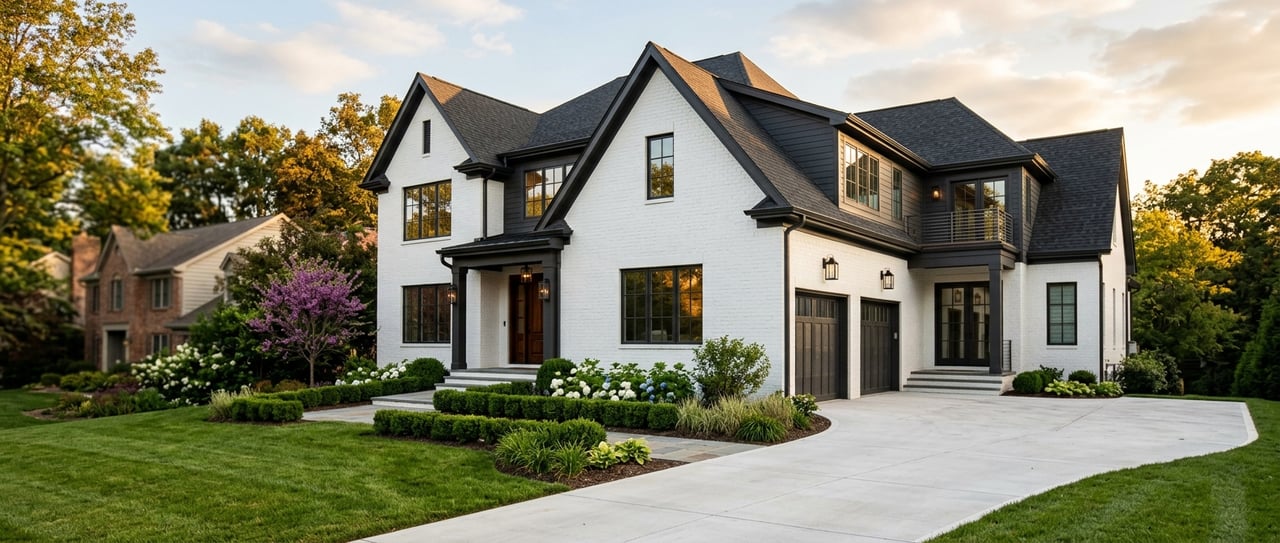
If you are considering a brand-new home in Murfreesboro, you are not alone. With steady population growth, active residential development, and home values that remain lower than some Nashville-area suburbs, Murfreesboro has become a practical option for buyers who want newer housing, modern layouts, and more choice in the buying process. The key is knowing what you are really buying, what flexibility you actually have, and which costs can show up beyond the base price. Let’s dive in.
Murfreesboro is not a small niche market for new homes. According to the U.S. Census Bureau’s Murfreesboro quick facts, the city’s estimated population reached 168,387 in 2024, up 10.2% from 2020, while Rutherford County grew to 376,996, up 10.4% over the same period. That kind of growth helps explain why new construction plays such a visible role in the local housing market.
For many buyers, cost is part of the appeal. The same Census quick facts page shows Murfreesboro’s median value of owner-occupied housing units at $402,100 in 2020-2024, compared with $751,900 in Williamson County. If you are comparing Middle Tennessee locations, Murfreesboro may offer a path to newer housing at a lower price point than some other well-known suburbs.
The pace of building also matters. The City of Murfreesboro’s 2024 Building Report recorded 1,865 residential permits, which is a strong signal that buyers will continue to see new-home opportunities across the market.
Not all new construction works the same way. In Murfreesboro, most buyers are usually choosing between a production home, a spec home, or a custom build. Understanding the difference can save you time and help you set realistic expectations.
The National Association of Home Builders explains that production builders typically build in communities they control and offer a set menu of floor plans and design options. You usually tour a model home, choose from a limited number of layouts, and then pick from approved finishes such as flooring, cabinets, countertops, appliances, and fixtures.
This path can feel more streamlined because many decisions are already made for you. It can also be easier to compare homes, neighborhoods, and upgrade packages when you are shopping within a planned community.
A spec home is a property the builder has already started or completed before a buyer signs a contract. According to the National Association of Realtors consumer guide, buyers who get in early enough may still be able to choose items like flooring, lighting, tile, countertops, cabinets, and vanities.
If you want a newer home without a long timeline, this option can be appealing. You may still get some personalization, but usually with a faster move-in date than a from-scratch build.
NAHB describes custom homes as homes that often begin on land owned by the customer and start fresh with each design. This gives you more control, but it also brings a very different timeline and budget structure.
NAR notes that the design phase for a custom home often takes three to six months, and construction typically takes at least 12 to 16 months, with delays possible. If you need flexibility, speed, or a simpler process, a custom build may not be the best fit.
One of the biggest surprises in new construction is how often the final cost ends up higher than the advertised starting price. The house itself is only part of the budget.
In Murfreesboro, local development-related fees can matter. The city’s impact fee schedule for new development says current fees apply to roads, parks, public safety, and schools. That same city resource also notes Rutherford County’s School Facilities Tax increased effective October 1, 2024, to $1.50 per square foot for residential development and must be paid before certificate of occupancy.
That does not mean every builder will structure pricing the same way, but it does mean you should ask detailed questions about what is included in the price you see. A smart comparison looks at the full package, not just the headline number.
Before you move forward, ask for a written breakdown of:
This step can help you compare a new build against an existing home more accurately. It also gives you a clearer picture of your monthly payment and upfront cash needs.
Financing can look a little different with a new build, especially if the home is not complete yet. The Consumer Financial Protection Bureau notes that builders may ask for an upfront builder deposit, also called earnest money, when the home is not yet built.
The CFPB also makes an important point: you do not have to use the builder’s affiliated lender. Builder lenders may offer incentives, but you should still compare loan terms, fees, and rate options carefully.
If you are building a fully custom home, financing may be more involved. The CFPB’s construction loan overview explains that construction loans are usually short-term and may cover land, labor, permits, and materials, with funds released in stages as work progresses. NAR also notes that lenders may require detailed plans, budgets, and timelines for this kind of financing.
New construction contracts can be builder-friendly, so it is important to read them closely and understand your deadlines. The CFPB recommends making an offer contingent on financing and a satisfactory inspection so you are not required to close if financing falls through or serious defects are discovered.
NAR’s guidance adds that contingencies may also cover appraisal, title, homeowners insurance, HOA review, home sale, and home close terms. It also notes that contingency timelines need to be clear, and if they are not met within the stated period, either party may be able to cancel without penalty when acting in good faith.
A few items deserve extra attention:
A new home can look flawless on the surface, but new does not always mean problem-free. The CFPB recommends scheduling an independent home inspection as soon as possible, and it clearly distinguishes an inspection from an appraisal.
For new construction, NAR says buyers may want to consider phase inspections at the foundation stage, pre-drywall, and final punch-out. According to NAR’s inspection guidance for new homes, an additional inspection around the 10- to 11-month mark can also be helpful because many builders offer a one-year warranty for repairs after the home has had time to settle.
That inspection schedule can be especially valuable because some issues are much easier to catch before walls are closed up.
One reason buyers like spec homes is speed. If the home is already underway, your move-in timeline may be much shorter than a custom project.
Still, timelines are not always fixed. Murfreesboro’s residential permits page says applications for single-family new construction can take up to two weeks to review, and permit fees are based on heated and unheated square footage. That is just one part of the process, but it is a reminder that permit status can affect when a home starts or how fast it moves toward completion.
If timing matters for a job relocation, lease ending, or home sale, ask where the property stands today. A home that is framed, permitted, and on schedule is very different from one that is only planned on paper.
Many new construction homes in planned communities come with shared amenities and an HOA. The CFPB’s mortgage key terms resource explains that HOA dues are paid separately from your monthly mortgage payment and may vary widely.
That means HOA costs should be treated as part of affordability from day one. You should also review HOA documents carefully so you understand ongoing rules, responsibilities, and any shared-maintenance structure that comes with the neighborhood.
NAHB also notes that production builders often shape the community around the homes themselves, including features like trails, playgrounds, and access to nearby shopping. In other words, when you buy in a new-home community, you are often buying into a broader neighborhood setup, not just a house.
If you are looking at several Murfreesboro communities, keep your comparison simple and practical. A side-by-side approach can make it easier to spot the best fit.
Focus on:
This kind of checklist is especially helpful if you are relocating and trying to make decisions quickly. It keeps emotion from taking over when a model home looks beautiful but the paperwork tells a more complicated story.
Murfreesboro offers real opportunity for buyers who want newer housing, modern floor plans, and a growing Middle Tennessee location. But the best outcome usually comes from asking better questions early, especially about timelines, deposits, inspection rights, HOA terms, and the full cost of ownership.
Whether you are comparing Murfreesboro with other Nashville-area markets or narrowing down your new-build options in Rutherford County, a clear plan can help you avoid surprises and buy with confidence. If you want guidance tailored to your timeline, budget, and relocation goals, Jessica Cassalia offers a concierge approach to help you evaluate your options across Greater Nashville.
Stay up to date on the latest real estate trends.
She is the Greater Nashville Market! She specializes in the luxury market, and relocation, and provides a concierge level of service to buyers and sellers! Helping people Navigate Nashville is what she does and serving as a true resource to advise them is why she does it!