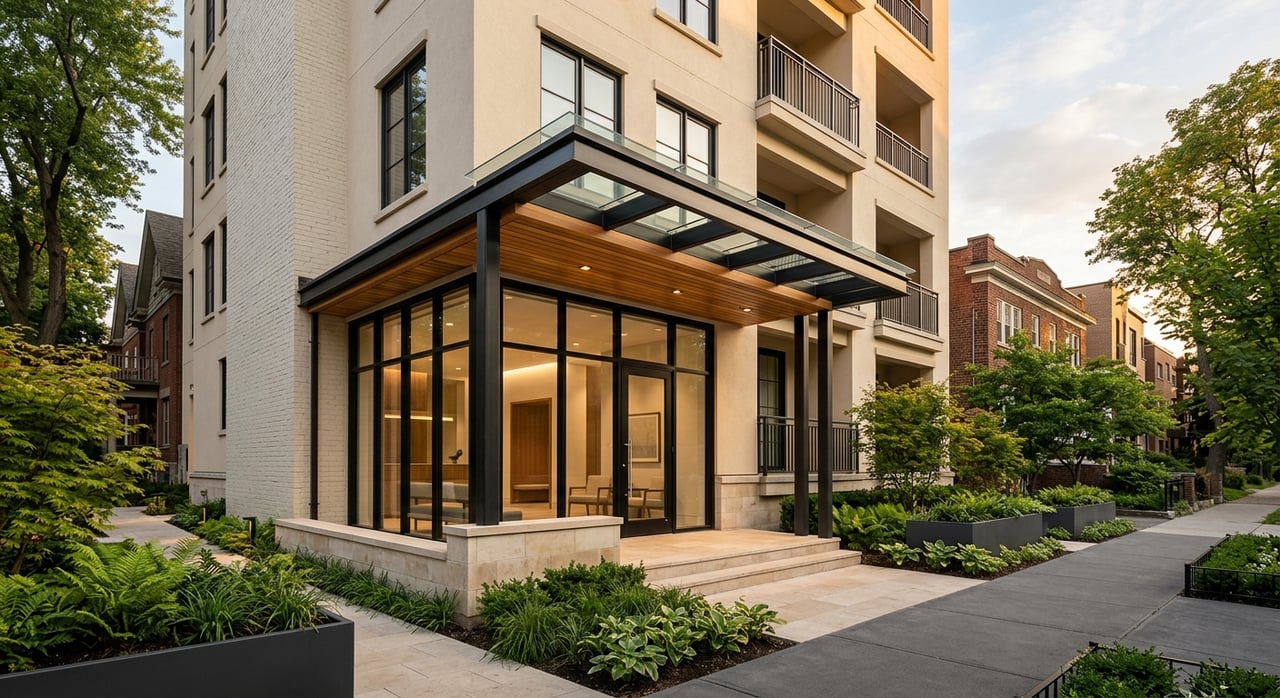
Downtown Nashville Condo vs Suburban Home: How to Decide
April 23, 2026
April 23, 2026
Wondering whether your next move should put you in the middle of Downtown Nashville or a little farther out with more space? It is a common question, especially if you are balancing commute needs, lifestyle goals, monthly costs, and long-term plans. The good news is that there is no one-size-fits-all answer, and the better choice usually comes down to which tradeoffs fit your day-to-day life best. Let’s dive in.
If you are deciding between a condo in Downtown Nashville and a home in the suburbs, you are really choosing between two different ways of living.
Downtown offers walkability, easy access to restaurants, entertainment, sports, and major employers. According to Redfin’s Downtown Nashville condo data, the area has a Walk Score of 83, about 5,139 residents, and nearly 58,836 jobs, which helps explain why many buyers are drawn to condo living there.
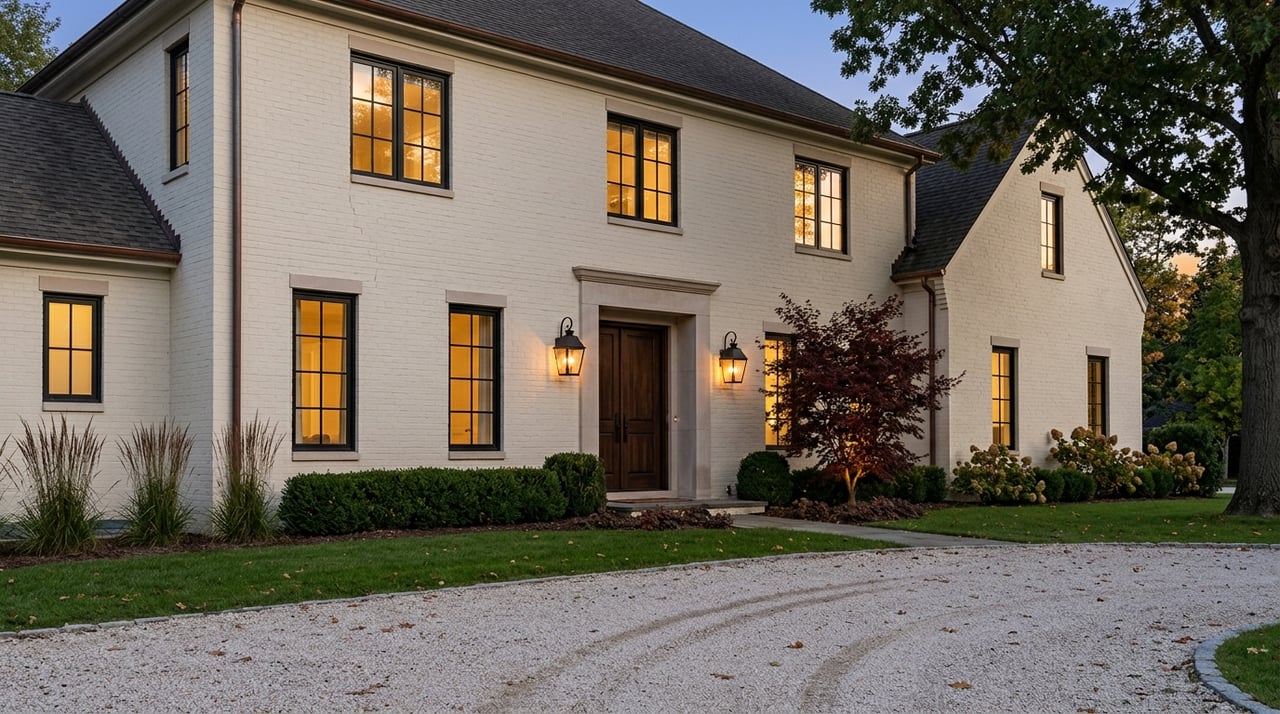
A suburban home in places like Franklin or Brentwood usually gives you more square footage, more outdoor space, and a different daily rhythm. That option can be especially appealing if you want room to spread out, space for storage, or a property you expect to hold for many years.
Price is one of the clearest differences between these options, but it helps to look beyond the headline number.
Downtown Nashville condo inventory is currently 197 homes, with a median listing price of $702,000 and median days on market of 108, based on Redfin’s current neighborhood snapshot. In March 2026, the all-home median sale price in Downtown Nashville was $866,262, compared with $835,000 in Franklin and $1,610,375 in Brentwood, according to Redfin market data.
Those numbers are useful, but they are not apples-to-apples. A downtown condo and a detached suburban home often deliver very different square footage, lot size, privacy, and maintenance responsibilities.
Price per square foot helps show the location premium more clearly. Downtown Nashville came in at $595 per square foot, while Franklin was $324 and Brentwood was $344 per square foot, based on the same Redfin housing market report. In simple terms, you are often paying more per square foot downtown because of the central location and access to city amenities.
For many buyers, the decision becomes easier once you picture your average week.
Downtown Nashville is the center of the city’s entertainment, hospitality, sports, and convention activity. Visit Nashville’s downtown guide describes it as the heart of the city, and that matters if you want to walk to dining, music venues, or events without getting in the car every time.
If that sounds energizing, a condo may fit your lifestyle well. It can work especially well for single professionals, childfree couples, frequent travelers, or hybrid workers who want a lower-exterior-maintenance property in a highly walkable location.
Suburban living creates a different experience. Franklin’s 2025 Development Report notes a 16-block historic downtown district, 21 public parks, and a planning approach that supports walkable mixed-use areas, while Brentwood’s city overview highlights 1,027 acres of parks and greenways across 14 parks in a largely residential setting.
That does not mean suburban life is disconnected from amenities. It usually means your routine is more centered on home, yard, garage space, parks, and neighborhood-based living rather than a dense urban core.
Many buyers assume suburban living always means a dramatically longer commute, but the data suggest the gap may be smaller than expected.
According to U.S. Census QuickFacts for Davidson County, the county-level mean travel time to work is 24.7 minutes in Davidson County and 27.9 minutes in Williamson County. That is a modest difference, so your real question may be less about raw commute time and more about how you want to spend your time between work and home.
If you commute several days a week and want to be close to downtown employers or entertainment, a central condo may make sense. If you work remotely most of the time, the benefits of extra indoor and outdoor space may carry more weight.
A condo and a house can have similar purchase prices but very different monthly carrying costs.
One major factor is HOA dues. The Consumer Financial Protection Bureau notes that condo or HOA fees can range from a few hundred dollars a month to more than $1,000, and they are usually separate from your mortgage payment. It is also worth remembering that some planned suburban communities have HOA fees too, so a detached home is not automatically HOA-free.
Property taxes can also shift the equation. Using 2025 tax rates on a $1 million appraised home, the Metro Nashville property tax calculator shows an estimated tax of about $7,035 in the Davidson Urban Services District, compared with about $3,725 in Brentwood and about $3,915 to $5,158 in Franklin depending on location.
That is a meaningful difference before you even factor in insurance, utilities, and maintenance. A suburban home may come with lawn care, exterior repairs, and other upkeep, while a condo may shift more of those responsibilities into your HOA structure and monthly dues.
If you are thinking several years ahead, it helps to consider how each property type may fit your long-term plans.
According to Freddie Mac, a home’s value includes the land it sits on. In practical terms, detached homes usually have a stronger land component in the overall equity story, while condo value tends to be more tied to the building, association health, and downtown market conditions.
Recent price momentum offers one more piece of context, though it should be viewed as a snapshot rather than a forecast. In March 2026, Downtown Nashville’s all-home median sale price was down 5.3% year over year, while Franklin was up 8.7% and Brentwood was up 16.1%, based on Redfin’s market report.
That does not automatically make one choice better than the other. It simply means your expected hold period matters. If you want a home for the long run and care deeply about lot value, privacy, and flexibility, a suburban home may align better with your goals.
The best decision usually comes from matching the property to your current stage of life, not the one you had five years ago.
A downtown condo often fits buyers who want convenience, lock-and-leave ease, and strong access to the core of Nashville. That can be ideal if you travel often, enjoy a city lifestyle, or want to spend less time on exterior maintenance.
A suburban home often fits buyers who want more room, garage and storage flexibility, yard space, or a property that can adapt over time. It can also be a better fit if you are planning around school zoning or expect your space needs to grow.
If schools are part of your search, verify every address directly. Williamson County Schools notes that residents must live in the county to attend and that school zones can change, so address-level confirmation is important before making a decision.
If you are still torn, use these questions to clarify what matters most:
How many days per week will you commute?
The more often you need city access, the more downtown convenience may matter.
How do you feel about HOA dues versus hands-on upkeep?
Condo living may reduce exterior maintenance, but it often adds monthly dues.
How much space do you need today and later?
Think about bedrooms, guests, storage, hobbies, pets, and work-from-home needs.
How long do you expect to keep the property?
A shorter hold may point you one way, while a long-term plan may point you another.
What matters more: walkability or privacy?
This is often the core tradeoff behind the whole decision.
If your ideal week includes walking to dinner, enjoying downtown events, and keeping home maintenance to a minimum, a Downtown Nashville condo may be the stronger fit.
If your ideal week includes more room to live, more separation from the city pace, and a property that gives you land, storage, and flexibility, a suburban home in an area like Franklin or Brentwood may be the better match.
The right choice is rarely condo versus house in the abstract. It is usually about which bundle of tradeoffs supports your work pattern, lifestyle, and long-term goals. If you want help sorting through those tradeoffs in a practical, location-specific way, Jessica Cassalia can help you compare options across Greater Nashville with a concierge-level approach tailored to your move.
Stay up to date on the latest real estate trends.

She is the Greater Nashville Market! She specializes in the luxury market, and relocation, and provides a concierge level of service to buyers and sellers! Helping people Navigate Nashville is what she does and serving as a true resource to advise them is why she does it!