
East Nashville Historic Overlay Rules for Home Buyers
December 4, 2025
December 4, 2025
You fell in love with an East Nashville bungalow, but you’re wondering how much freedom you’ll have to renovate. If the home sits in a Historic Preservation Overlay, the rules change how you plan, budget, and build. The good news is you can still create a beautiful, functional home with the right strategy. This guide explains how overlays work, what approvals you may need, and how to make smart decisions before you write an offer. Let’s dive in.
A Historic Preservation Overlay is a local zoning layer that protects a neighborhood’s historic character. It regulates exterior changes that are visible from the street and guides new construction within the district. The goal is to maintain the streetscape and preserve significant features over time.
In Nashville, the Metropolitan Historic Zoning Commission (MHZC) and planning staff review projects and issue approvals called Certificates of Appropriateness, or COAs. Decisions follow local design guidelines and widely used standards for rehabilitation.
Many East Nashville properties are labeled as contributing or non-contributing to the district. Contributing properties usually face a higher preservation standard. Non-contributing properties may allow more flexibility, but exterior changes are still reviewed for compatibility.
Most exterior work visible from the street will need a COA before you pull building permits. Interior work is usually outside the overlay’s scope unless it changes exterior appearance.
Some projects qualify for staff-level approval, which tends to be faster. Routine maintenance, in-kind repairs, and small porch or secondary-structure items may fit here. Bigger projects often go to a public MHZC hearing. New houses, large additions, demolition, or major façade changes typically require commission review.
Emergency safety repairs can proceed with documentation, but follow-up may be required. Interior changes that do not affect the exterior are typically exempt. Work that is not visible from the street can be more flexible, but confirm with staff.
Additions must be compatible and subordinate to the original structure. Many districts require second stories to be set back from the front to reduce visual impact. Large, front-heavy additions that alter the primary roofline often face stricter review and may require design revisions.
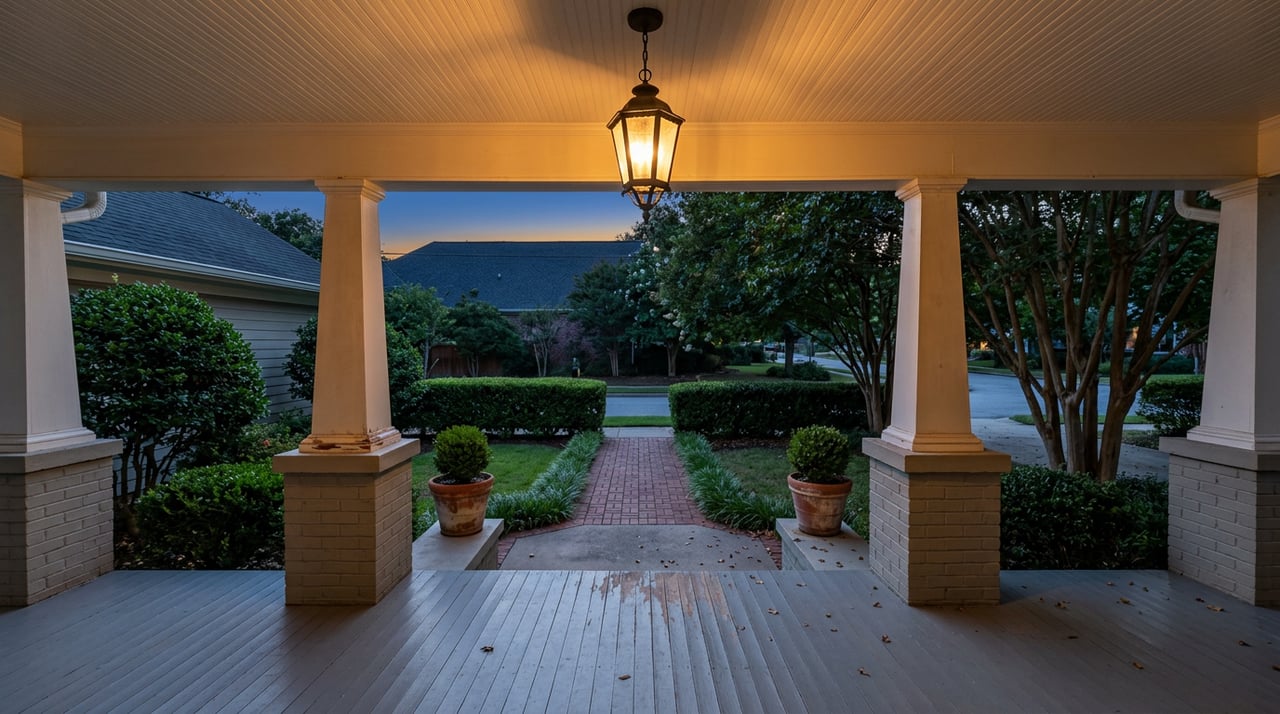
Historic porches are important character elements. You will be asked to repair or reconstruct to original forms when possible. Enclosing a historic front porch is typically discouraged.
If your home is contributing, original windows are often expected to be repaired rather than replaced. If replacement is approved, new units should match the original profile, muntin pattern, and materials as closely as possible. New or enlarged openings on visible elevations require strong justification.
Historic materials are favored. Repair is preferred over replacement. Swapping wood for incompatible materials on street-visible elevations can be restricted or may require a full commission review.
Changes to roof pitch or form that are visible from the street are reviewed for compatibility. Material changes may be allowed if they align with the district’s character.
Demolition of a contributing structure is the most restricted action. Expect a higher bar for approval, possible alternatives to be explored, and a longer review timeline. Demolition of non-contributing structures may be easier, but still requires review.
Front or side yard garages and new curb cuts are reviewed carefully for neighborhood fit. Fence height, location, and materials in front yards are often regulated to maintain sightlines and cohesion.
Many residential overlays do not regulate paint color, but practices vary. Always confirm with MHZC before you move forward.
Your project timeline will expand to include design and approvals. Expect several months for planning and drawings if you are adding on or building out. Staff-level COAs can sometimes be issued in a few weeks after a complete submission. Projects requiring a commission hearing add scheduling time, which can stretch to several weeks or longer depending on volume, revisions, and complexity.
You typically need your COA before pulling building permits. Build in buffer time for plan tweaks requested by staff or the commission so your construction start date is realistic.
Historic work often shifts cost from replacement to repair and from standard materials to compatible, higher-quality options. Plan for:
A contractor who understands historic methods can help you price repair versus replacement accurately and avoid surprises.
Before you commit, verify the overlay status and the home’s history. Use your offer timeline to complete this research.
Your purchase contract can protect your plans and budget.
The right professionals help you avoid rework and delays. Look for a preservation-minded architect for major additions or new construction. Choose contractors with proven historic experience and ask to see past projects in overlay districts. Ask your team to specify preservation-sensitive tasks, such as window restoration, as separate line items so you can compare costs fairly.
Lenders usually require building permits and may ask for COAs before releasing construction funds. Renovation loan programs have specific documentation requirements for historic properties. Insurance is typically unaffected by overlay status, but repair costs can be higher when using compatible materials. Plan your draw schedule and closing timeline around approvals so funds are available when you need them.
Overlays help maintain neighborhood character and streetscape quality, which can support long-term stability. Buyers who value historic charm often see overlays as a benefit. At the same time, the added approvals may be a drawback for someone who wants unrestricted changes. Understanding both sides helps you price, plan, and position your investment over time.
Ready for a game plan tailored to your goals and timeline in East Nashville? Reach out to Jessica at Jessica Cassalia for local guidance and a step-by-step path from offer to approved renovation.
Stay up to date on the latest real estate trends.
She is the Greater Nashville Market! She specializes in the luxury market, and relocation, and provides a concierge level of service to buyers and sellers! Helping people Navigate Nashville is what she does and serving as a true resource to advise them is why she does it!